
Expert Picks for Water Filtration System Installations
Choose from highly recommended products trusted by professionals to ensure a seamless and effective water filtration setup.
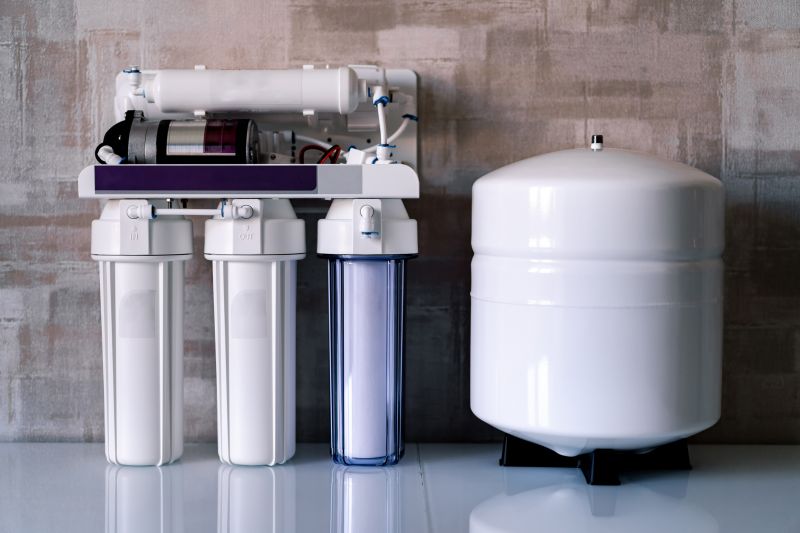 Water filtration installations are essential components in many residential and commercial settings, providing clean and safe water for daily use. These systems can vary widely in complexity, from simple faucet-mounted filters to comprehensive whole-house filtration setups. When selecting a water filtration system, it is important to consider factors such as water quality, flow rate, installation requirements, and maintenance needs. Properly installed filtration units can improve water taste, reduce contaminants, and protect plumbing infrastructure.
Top Overall Option
Multi-Stage Whole-House Water Filtration System
A multi-stage whole-house water filtration system offers comprehensive purification by combining sediment filters, carbon blocks, and sometimes additional technologies like UV sterilization. These units are designed to be installed at the main water entry point, providing filtered water throughout the entire property. They are suitable for addressing a variety of water quality concerns, including sediment, chlorine, chemical contaminants, and microbial threats. Properly selected and maintained, these systems can help improve water clarity, taste, and safety for all household uses, from drinking and cooking to bathing and laundry.
Types of Products For Water Filtration Installations
Faucet-Mounted Filters
Attach directly to your faucet for quick and easy filtration, ideal for individual use and small households.
Under-Sink Filters
Installed beneath the sink, these systems provide filtered water through a dedicated tap, suitable for daily drinking and cooking.
Countertop Filters
Sit on the countertop and connect to your faucet, offering a portable and straightforward filtration solution.
Reverse Osmosis Systems
Use semi-permeable membranes to remove a wide range of contaminants, often installed under the sink or as a standalone unit.
Whole-House Filtration Systems
Installed at the main water line, these systems provide comprehensive filtration for all household water outlets.
UV Water Purifiers
Employ ultraviolet light to inactivate bacteria and viruses, often used as a complement to other filtration methods.
Sediment Filters
Remove larger particles such as dirt, sand, and rust, often used as pre-filters in larger systems.
Carbon Block Filters
Target chemical contaminants, chlorine, and improve water taste and odor, commonly used in various filtration setups.
Inline Filters
Installed directly within the plumbing line for point-of-use filtration, often used in conjunction with other systems.
Pitcher Water Filters
Portable pitchers with built-in filters, suitable for on-the-go use or as a supplementary filtration option.
Portable Water Filter Bottles
Compact bottles with integrated filtration, ideal for travel and outdoor activities.
Commercial Water Filtration Units
Designed for larger-scale applications, such as restaurants or industrial facilities, offering high-capacity filtration.
Popular Choices
Easy to install and maintain, these filters are popular for their convenience and affordability.
Widely used for their effective removal of many contaminants, suitable for daily household use.
Chosen for comprehensive water treatment, these systems are common in homes seeking whole-house filtration.
Portable and straightforward, these are favored for their ease of use and minimal installation effort.
Popular for microbial disinfection, often used alongside other filtration methods.
Commonly used for improving taste and removing chemicals, suitable for various setups.
Frequently employed as pre-filters to extend the life of other filtration components.
Popular for point-of-use applications, fitting directly within existing plumbing lines.
A convenient choice for quick filtration, especially in smaller households or for travel.
Favored for outdoor activities and travel, offering on-the-go filtration.
Chosen by businesses and larger facilities for their capacity and efficiency.
Many filtration systems employ multiple stages of purification, including sediment filters, carbon filters, and sometimes advanced technologies like reverse osmosis or UV sterilization. Sediment filters effectively remove larger particles such as dirt and rust, while carbon filters target chemical contaminants and improve flavor. Reverse osmosis units can significantly reduce dissolved solids, providing highly purified water, whereas UV systems are used to inactivate bacteria and viruses.
Installation of water filtration systems can be straightforward or complex depending on the type and scale of the unit. Under-sink models are popular for their space efficiency and ease of access, while whole-house systems require more extensive plumbing work but provide filtered water throughout the entire property. Regular maintenance, such as filter replacement and system sanitization, is crucial to ensure optimal performance. Additionally, understanding the flow rate and capacity of a system helps match it to household water usage needs.
Choosing the right filtration system involves evaluating specific water concerns, installation space, budget, and long-term upkeep. Many systems are designed to be user-friendly, with clear instructions for installation and maintenance. Consulting water quality reports or testing kits can help identify particular contaminants to address. Ultimately, investing in the appropriate water filtration installation can contribute to healthier water consumption and prolong the lifespan of plumbing fixtures.
Key Buying Considerations
- Identify specific water contaminants or issues to address, such as sediment, chemicals, or microbial presence.
- Determine the appropriate filtration technology based on water quality and intended use.
- Assess the installation requirements and whether professional help is needed.
- Consider the flow rate and capacity to ensure the system meets household water demand.
- Evaluate maintenance needs, including filter replacement frequency and ease of access.
- Check for certifications and standards that validate filtration performance.
- Review available space for installation and whether the system fits within designated areas.
- Consider the initial cost versus long-term operational expenses.
- Look for user-friendly features such as indicator lights or easy filter change mechanisms.
- Determine compatibility with existing plumbing and fixtures.
- Decide if additional features like UV sterilization or mineral enhancement are desired.
- Research the reputation and customer feedback on the product or system.
- Ensure the system is designed for your water source, whether municipal or well water.
- Think about the potential need for future upgrades or scalability.
- Verify warranty and support options provided by the manufacturer.